Lighting fiber is the most popular indoor
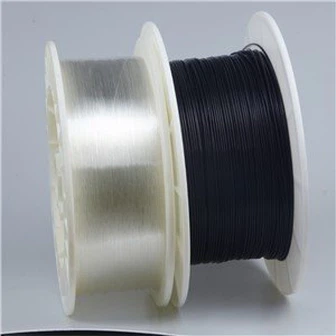
Optical fiber is the most popular indoor lighting. The common application is the starry sky effect of the ceiling. For example, the well-known Swarovski uses the combination of crystal and optical fiber to develop a unique starry sky lighting product. In addition to the starry sky lighting on the ceiling, there are also designers who use optical fiber body luminescence to design indoor spaces. Using the effect of optical fiber flexible lighting, you can easily create a curtain of light or other special scenes.
Because of the hydrophilic nature of the optical fiber and its photoelectric separation, it can easily create the effect that the designer wants when used in the lighting of the waterscape. On the other hand, it has no electric shock problem and can achieve safety. Considerations. In addition, the structure of the optical fiber itself can also be matched with the pool, so that the optical fiber body also becomes a part of the waterscape, which is an effect that is not easy to achieve with other lighting designs.
The lighting of the swimming pool or the lighting of the popular SPA occasions, the application of optical fiber can be said to be the best choice. Because this is a place for human activities, safety considerations are much higher than those of the pool or other indoor places above. Therefore, the photoelectric separation characteristics of the optical fiber itself and the diverse color rendering effects of colors can meet the needs of this type of place.
In architecture, most use volume-emitting fiber lighting to achieve the effect of highlighting the outline of the building. Also because of the characteristics of photoelectric separation, the maintenance cost of the overall lighting can be effectively reduced. Because the life of the fiber body is as long as twenty years, and the light projector can be designed in the internal distribution box, the maintenance personnel can easily replace the light source. However, traditional lighting equipment, if it is designed in a special location, often requires a lot of machinery and facilities to be maintained, and the cost of consumption is much higher than that of fiber optic lighting.