How Optical Fiber Help Energy Conservation
China's recent energy-saving policies have significantly impacted various industries, including those involving high-voltage inverters. The State Council's action plan for energy conservation and carbon reduction during 2024-2025 aims to decrease energy consumption and carbon dioxide emissions per unit of GDP by approximately 2.5% and 3.9%, respectively. Key targets include reducing energy consumption in industrial enterprises and increasing the proportion of non-fossil energy consumption to about 20% by 2025.


In the context of high-voltage inverters, which are crucial in sectors such as manufacturing and electric vehicles, these policies drive the need for more energy-efficient technologies. The Chinese government is focusing on promoting energy-efficient practices in high-energy-consuming industries, such as steel, petrochemical, and building materials, which include the use of high-voltage inverters for better energy management and reduced emissions.
China's stringent energy-saving policies are expected to accelerate the adoption of advanced high-voltage inverters that enhance energy efficiency, contributing to the country's broader goals of reducing energy consumption and achieving carbon neutrality.


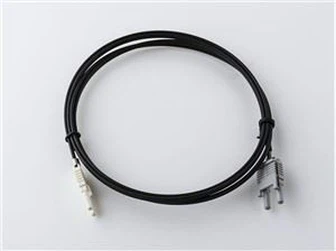
Fiber optics play a significant role in high-voltage inverters, primarily due to their capabilities in communication, sensing, and signal transmission. Here are the key impacts and roles of fiber optics in these systems:
Isolation and Safety: Fiber optic cables provide electrical isolation, which is crucial in high-voltage environments. This isolation helps in protecting sensitive control electronics from high-voltage transients and ensures safe communication between different parts of the system.
High-Speed Communication: Fiber optics offer high-speed data transmission with low latency, which is essential for the precise control and monitoring of high-voltage inverters. This allows for real-time monitoring and control, improving the efficiency and performance of the inverter system.
Electromagnetic Interference (EMI) Immunity: Fiber optic cables are immune to electromagnetic interference, which is a common issue in high-voltage applications. This ensures reliable data transmission even in electrically noisy environments, maintaining the integrity of control signals.
Sensing Capabilities: Fiber optic sensors can be integrated into high-voltage inverters to monitor various parameters such as temperature, strain, and voltage. These sensors provide accurate and real-time data, which is vital for the predictive maintenance and safe operation of the inverter.
Compact and Lightweight Design: Fiber optic cables are lightweight and compact compared to traditional copper cables. This makes them easier to integrate into high-voltage inverters, reducing the overall size and weight of the system.
Long Distance Signal Transmission: Fiber optics can transmit signals over long distances without significant loss, which is beneficial in large-scale industrial applications where high-voltage inverters are often located far from control centers.


Mobile: +86-19505282860 (wechat/whatsapp) | Skype: TXcynthia427
Focus On POF Cables
ISO9001 | ISO14001 | UL | CE | REACH | ROHS